
Glass vs Plastic: The Complete Guide to Choosing Cosmetic Packaging
Published
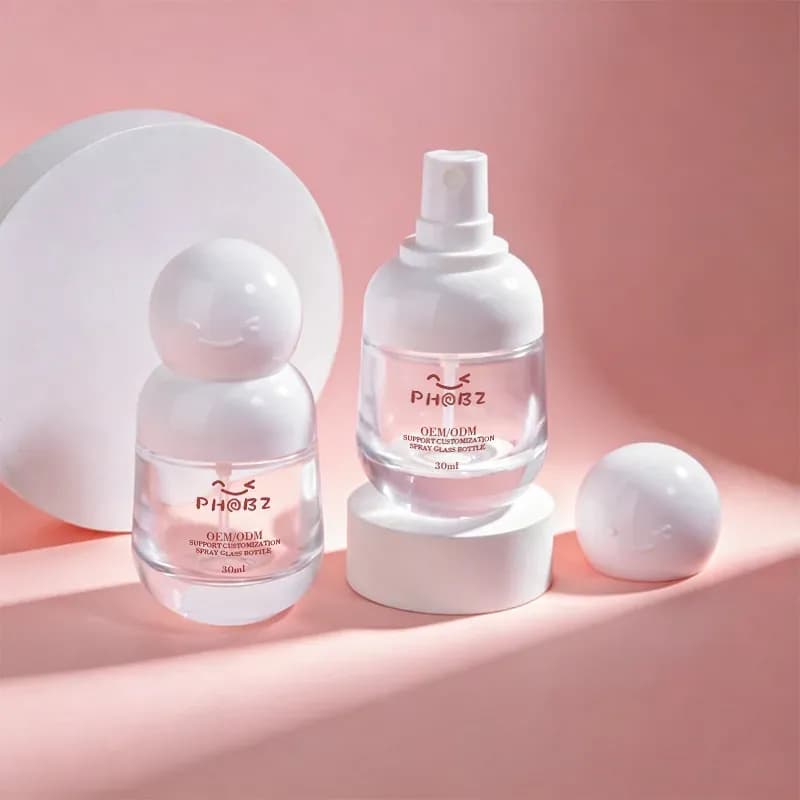
Packaging choices often shape a consumer’s first impression before the formula does. Glass and plastic each have irreplaceable strengths — the key is matching the package to the product positioning.
Glass packaging: where it fits
Glass suits premium serums, essential oils and fragrances. It is impermeable and chemically inert, protecting oxygen- and light-sensitive ingredients; the heft of thick glass also reads as luxury. The downsides are higher freight cost and fragility, demanding sturdier outer packaging.
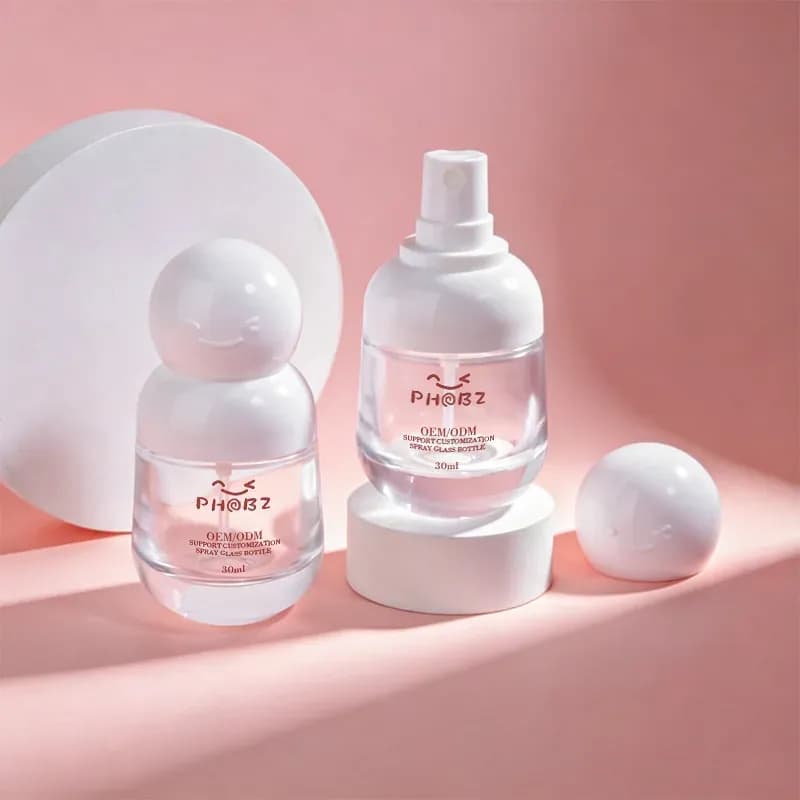
Plastic packaging: light weight, lower cost
Plastic (PET/PP/HDPE) wins on lightweight and logistics cost. PET offers high clarity, and can be tinted or frosted in any finish; soft-touch coating even gives plastic a rubber-like silky feel — a mainstream choice for skincare.
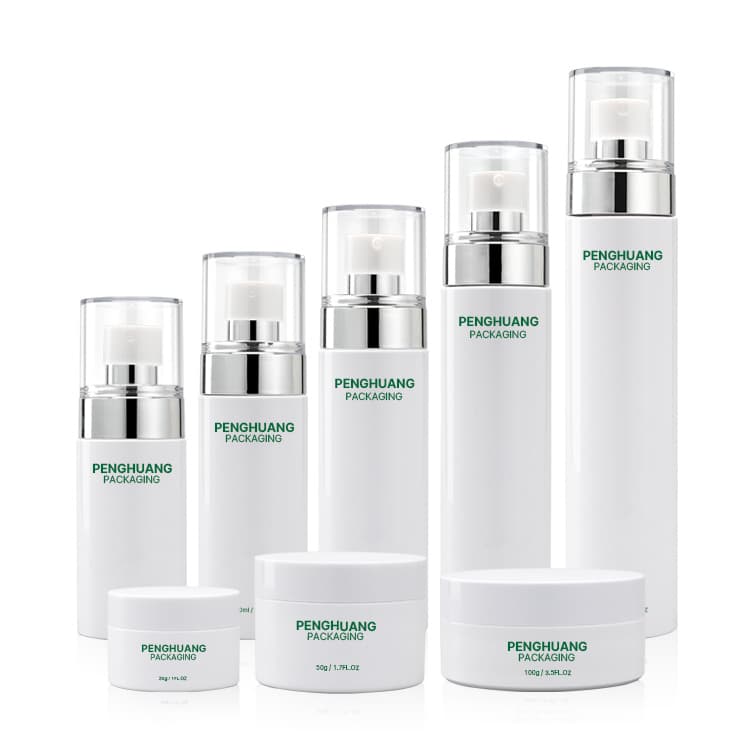
Choosing by capacity and formulation
Recommendation: use glass dropper bottles for small serums with active ingredients (≤30ml), glass or PP jars for 50ml creams, and plastic for high-volume toners and body care (≥100ml).
For specifications and samples, see our UV-resistant glass dropper bottle at https://penghuang.com.cn/en/products/s215-30ml-uv-glass-dropper-bottle and OEM plastic lotion pump bottle at https://penghuang.com.cn/en/products/oem-cosmetic-packaging-plastic-lotion-pump-bottle-100ml-150ml-180ml-luxury-skinc — both support customisation on request.